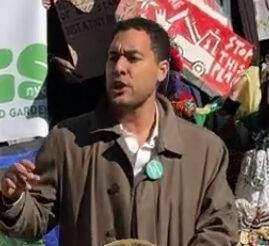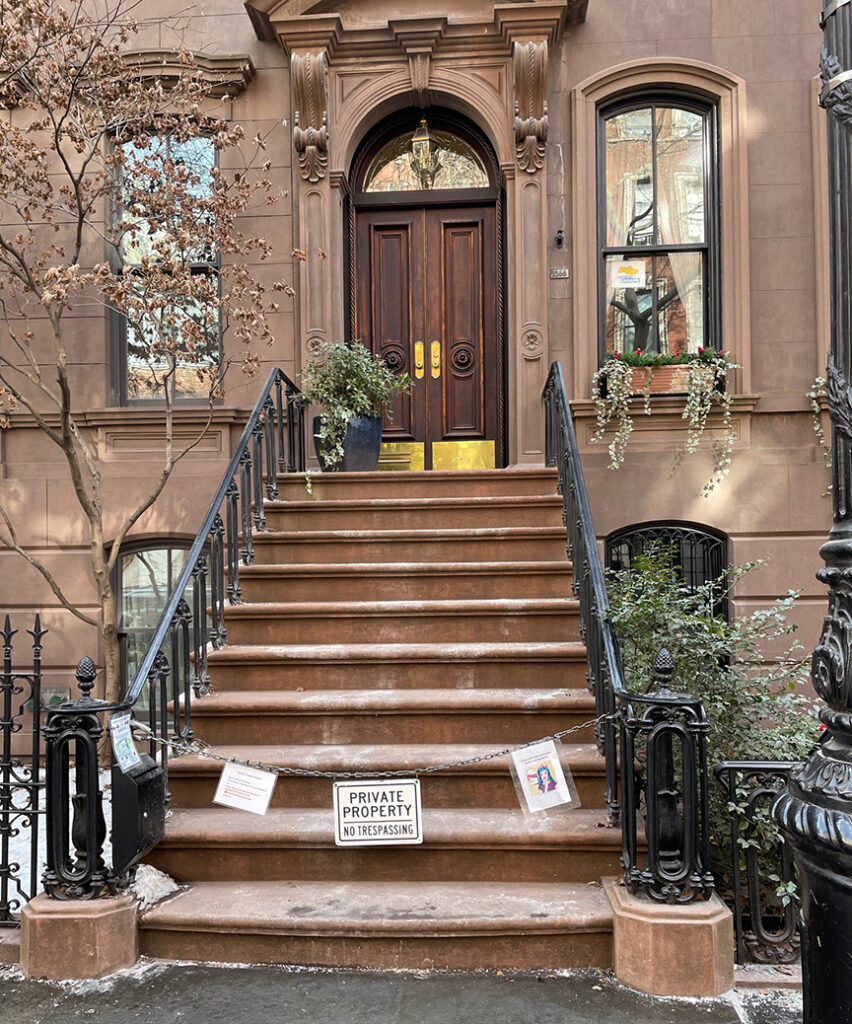
The pursuit of preservation is alive and well in the Lower East Side with the Lower East Side Preservation Initiative (LESPI), a grassroots organization composed of architects and hobby preservationists. The group, co-founded in 2007 with Richard Moses, has dedicated years to advocating for the recognition of a historic district between 2nd Street and St Mark’s Place. While the small coalition first set their sights on the East Village under the Bloomberg administration, it quickly expanded to nearby Chinatown, Little Italy and other ethnic enclaves that make up the Lower East Side.
“We realized – if we keep surveying and pushing and analyzing, buildings will keep getting demolished,” said Moses, reflecting on the group’s fledgling efforts.
The Lower East Side is historically a working class, immigrant neighborhood, once filled with tenements that notoriously housed six to ten families in one building. The area between Delancey Street and Canal Street was one of the most densely populated urban corridors at the turn of the century; the neighborhood was a launchpad for those who emigrated through Ellis Island. Despite this, the Lower East Side has received little cultural recognition from the city and remains vulnerable to overdevelopment.
Comparatively, to the west of the Lower East Side sits one of the city’s most renowned historic districts, the West Village. In the 1960s, activist and author Jane Jacobs appealed to the Landmark Planning Commission (LPC) to protect what would later be designated as the West Village, a long-time bohemian neighborhood that stretches from the Hudson River to Washington Square East. The core Greenwich Village Historic District received designation in 1969 and the boundaries would later expand as preservation initiatives continued as recently as 2013.
“The West Village was landmarked very early on,” said Moses. “The Landmark [Planning] Commission was very gung ho about landmarking. It was a whole different environment with different feelings towards preservation.”
Now, things move much slower for groups like LESPI trying to protect what remains of their community. Although the Lower East Side received an ‘endangered’ designation in 2008, landmarking attempts by LESPI have been repeatedly rebuffed and delayed due to budgetary constraints within the LPC and “competing priorities” in other boroughs.
Landmarking is an arduous process that takes several years and many painstaking hours: interested parties must submit a Request for Evaluation (RFE) form before compiling research, data and photographs to support their claim. The Landmark Designation Committee (LDC) is required to notify the owners of the proposed landmark and, if proposing a historic district, all building owners within the district. This initial step is often lengthy as the onus is on the applicant to garner support amongst their community for the landmark designation.
After submission, the application will enter a period called “calendaring,” meaning the LPC has decided that the submission has merit and requires a public hearing for further consideration. Once calendared, the LPC has one year to determine the landmark designation of an individual building and two years for a historic district. However, in many cases, this period will lapse with no fanfare; LESPI submitted a proposal for a Tenement District surrounding Orchard Street that has had no substantial movement for nearly ten years, stalled by the COVID-19 pandemic.
City Council decides
After hearing testimony from community boards, elected officials and advocates, the LPC will vote; this vote is then reviewed by the City Planning Commission (CPC), with final approval in the hands of the New York City Council.
LESPI has had previous success landmarking individual buildings: St. Mary’s Roman Catholic Church received landmark designation in April 2026 after the RFE was submitted in July 2024. They received strong support from the church’s parishioners, who submitted over 180 emails to the LPC and testified at the public hearing.
“We need to drum up as much support as possible,” said Moses. Community support of landmarking is essential to its success. “We are always looking for volunteers and people who are looking to testify.”
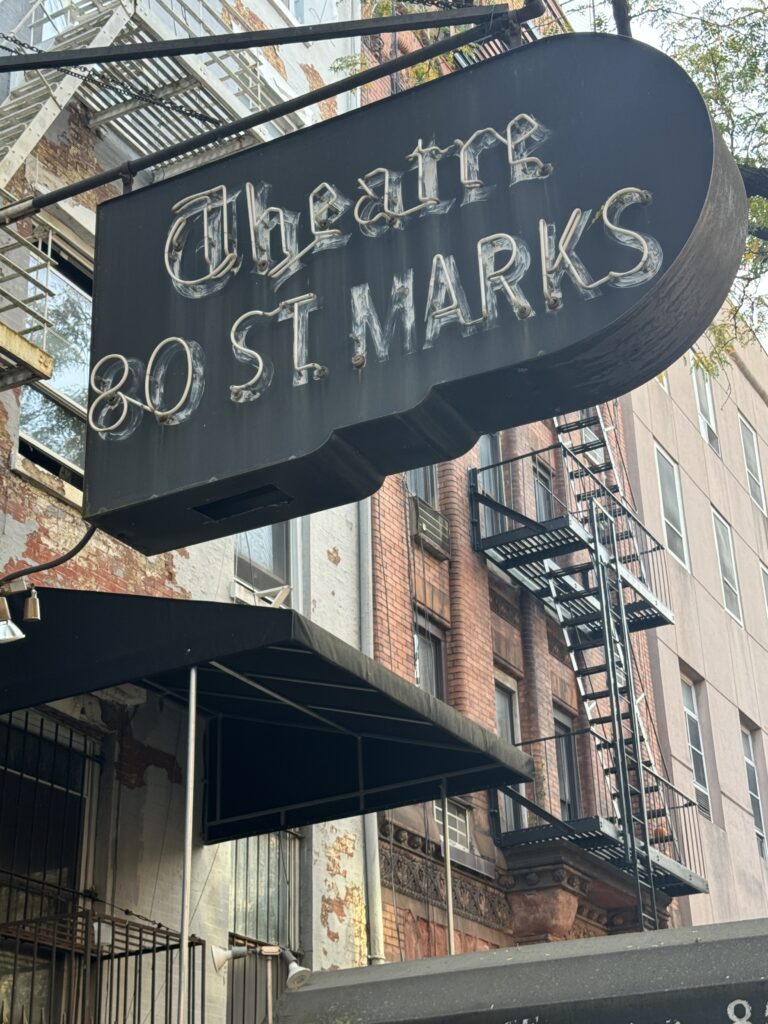
The Virtual Map
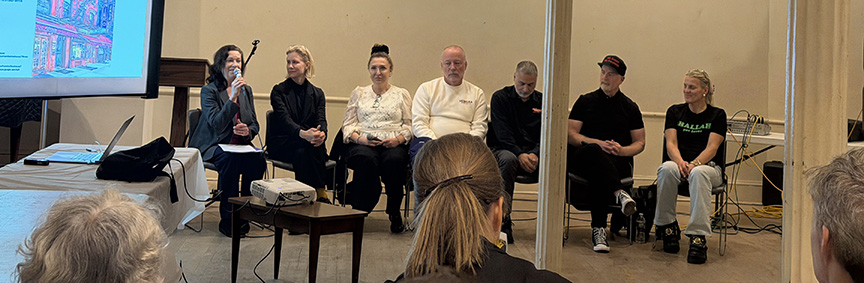
That community spirit was on display on October 15, when LESPI invited neighbors to St. Mark’s Church-in-the-Bowery to unveil its latest tool for the cause: a virtual map of the Lower East Side. Developed with Mercia May Jensen and recent Pratt graduate Henry Christensen under Jensen’s studio, Gray Matters, the online map documents the neighborhood’s buildings of special significance, legacy restaurants and cultural sites, alongside the proposed landmarks LESPI is using to support its advocacy.
The stories behind those storefronts are as vital to LESPI’s mission as the buildings that house them.
While the group is settling down for the winter, they anticipate a spring full of tabling and gathering signatures for their newly-reduced Tenement District proposal, on Orchard Street, between Delancey and Broome. A couple weeks ago, they sent a survey to their subscribers asking for help determining the next building they will campaign for landmark status.
“We’re in a delicate time for preservation on the Lower East Side,” said Moses. “A couple bad instances of demolition will completely negate any effort to have the street landmarked. We feel that people should understand that we don’t have the luxury of time.”
While LESPI is a community advocacy organization first and foremost, they’re also a group of artists. They see the beauty in the Lower East Side, even while developers persist in knocking on doors, trying to buy out landlords and vacate tenants to install sterile high-rises.
“Look up as much as possible and admire the great architecture,” said Moses. In a society where our worlds seem concentrated within our phones, LESPI serves as a reminder that the most beautiful and important things in life are around us.