
Liquid Years. The last day of last month marked 40 years since the release of Philip Glass’s Songs from Liquid Days. At the time, Glass was riding an unprecedented wave for a composer in the classical world. His soundtrack to the film Koyaanisqatsi four years earlier had put New York Minimalism before a much wider audience. Liquid Days seemed a very deliberate attempt to build on that renown: a set of songs with lyrics by Laurie Anderson, David Byrne, Paul Simon and Suzanne Vega, performed by Glass’s ensemble and the famed Kronos Quartet with singers including Bernard Fowler, Linda Ronstadt, and the Roches.
The album is hardly Glass’s finest hour, but the anniversary does end in a zero and Glass is a local boy made good. Lincoln Center was poised to mark the anniversary a bit early, in January, but the concert was snowed out and hasn’t been rescheduled. The programming, though, suggested a certain sphere of influence not readily apparent. The concert was to be co-produced with New Latin Wave, an organization that supports the work of Latina and Latino artists, especially those working outside the mainstream or outside traditional Latin avenues and venues. Singers on the program included the brilliant Magos Herrera, born in Mexico City, and the talented Texas native multi-disciplinary artist Darian Donovan Thomas, both now based in New York.
All of this came to mind as I was listening to the Los Angeles–based Costa Rican performance artist and visual artist Dorian Wood’s beautiful new Canto de Todes (digital release May 1 from New Amsterdam Records). The album doesn’t sound like Philip Glass, but it’s a set of delicate chamber pop songs that fall closer to the chamber than anything traditionally pop. The album is the outgrowth of a 12-hour composition and art installation about using music as a tool to remember the past and shape the future. The songs are also very much in the present, though, directed toward what she calls the “people of the global majority” and tackling such topics as border patrols, nationalism, and gentrification.
Wood’s powerful and on-point vocals, and the unusual instrumentation of voices, guitars and cellos, make the connection to classical art song all the easier, but essentially Canto de Todes (“Song of Everyone”) does the work folk music has long done around the world: It speaks to the people. The title is taken from a song by the Chilean singer Violeta Parra who collected and performed traditional folk songs in the 1950s and 1960s and was an active supporter of the Chilean Communist Party. Wood might be engaged in what some might call lofty art music, but really they’re songs for everyone.
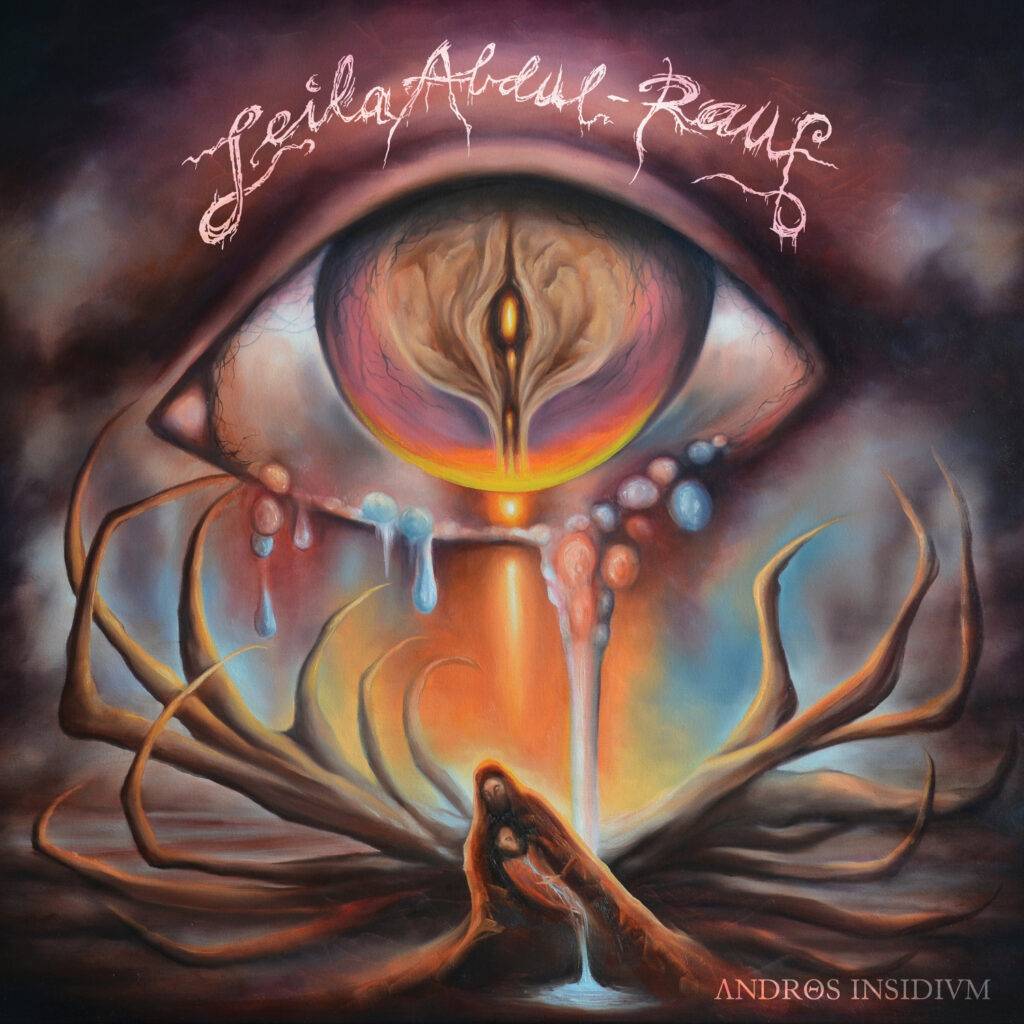
Eight songs for a dead queen. Imagine a heavy wooden door, too big to open alone. It’s guarded by a half-human, half-beast who wordlessly lets you in. On the other side is a path sloping downward, lit by flames but far too long to see the bottom. This seems to be the invitation Oakland’s Leila Abdul-Rauf extends on her Andros Insidium (CD, LP, download from 20 Buck Spin April 17). It’s a vast and spacious record. Abdul-Rauf plays guitar, bass and trumpet, all put to good effect, and a few guests supply percussion, lute and voices, but it’s the piano, keyboards and effects that provide the most drama, with an intensity and an immediacy recalling Diamanda Galás’s solo recordings.
The album opens with the submersion. “Descent into Kur” sets a dark atmosphere and a military drum cadence as we head into the underworld of Sumerian myth, Abdul-Rauf’s voice layered into a marching song. The voices then come to the fore in “Stripped Before the Eye of Death,” a song to the Queen of the Dead. If this sounds like typical metal mythic fare, that’s because it is. As singer/songwriter/guitarist for Vastum, she knows the territory. But the stark darkness of Andros Insidium doesn’t sound much like metal. The album hits its stride with “Fractured Body,” a plea for recovery over tribal drums and trumpet fanfares. That’s followed by the title track, an intense revenge scenario played out by an abuse survivor, not at all for the faint of heart, and then a harrowing requiem for the goddess of love. In the final track, we ascend to Sumerian heaven, but all is not forgotten. The journey was hard. Despite the mythical trappings, Leila Abdul-Rauf’s sonic hellscape is quite real.
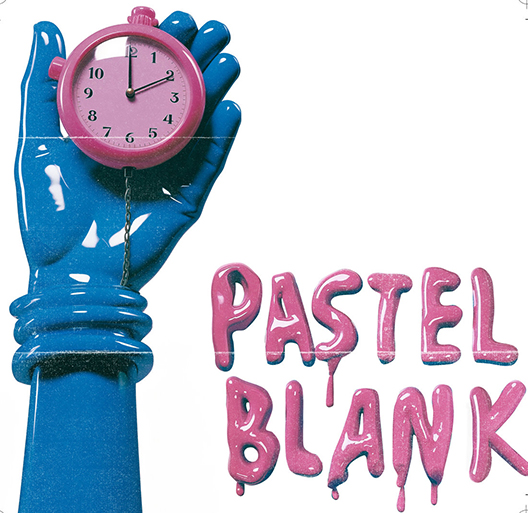 The Next Days of Disco. There’s no such thing as a disco revival because disco never really goes away. It morphs, changes shape, changes face, changes name, but it’s always among us. Witness last year’s revival of Scissor Sisters (their third coming) or Kevin Barnes’ seemingly unending Of Montreal indulgence as just two, longstanding examples of disco still coursing through our cultural veins. More recently, there’s Brooklyn’s Say She She, who have an EP with dance music legend Asha Puthli arriving April 10. Pastel Blank, who actually are of Montreal, picks up that glittery baton with their Unmade in Minutes (CD, download out April 24 from Paper Bag Records). Led by Angus Watt with a rotating crew of collaborators, Minutes follows their 2022 self-titled debut with an infectious set of songs about Big Pharma, small apartments and the allure of cigarettes, with bits of Brasilia and guitar balladry, all in Watt’s sweet falsetto. The songs have an edge, but they’re gilded with catchy hooks and cocaine residue.
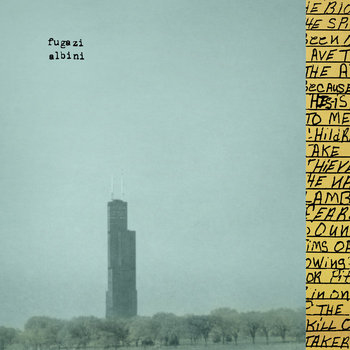
The lost Algani/Fugazi Sessions. In the Fall of 1992, hardcore heroes Fugazi drove to Chicago and descended (by invitation) on super producer Steve Albini’s home studio. They laid down a dozen tracks which, by mutual consent of producer and band, were never released. New recordings of the songs were released the following year as In on the Kill Taker and time marched on. The band went on “indefinite hiatus” in 2003 and has occasionally released archival recordings since then. Last month, following Albini’s 2024 death, the band released the Albini sessions on their Bandcamp page (digital only) with proceeds going to the Chicago-based Letters Charity, a nonprofit organization that generates financial assistance for families in need through artists donx ating their time and work. Come to think of it, Cheap Trick comes from Rockford, not too far from Chicago. Maybe they could follow suit and finally release their Albini-produced re-record of their first album. It’s a killer session (even if unfinished) and already bootlegged all over the web. Time to put it out and put it to some positive use.